

Testing
Testing is an indispensable phase of the production process in the automotive sector, aimed at verifying that every component, system, or finished vehicle meets the technical and functional requirements specified in the design. It represents the moment when the quality of the work performed is checked, ensuring that the product is ready for market release and use under real-world conditions.
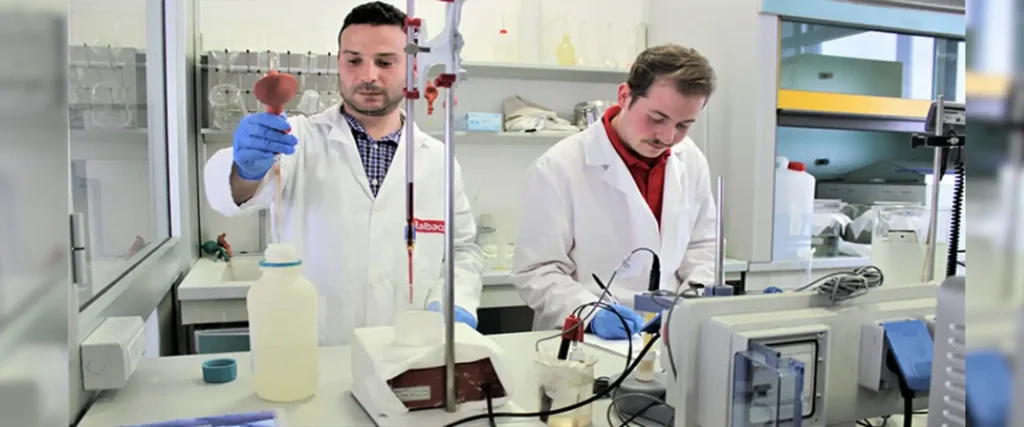
In the automotive context, testing can concern both individual elements (such as engines, braking systems, electrical systems) and the entire vehicle. It is performed through static and dynamic tests, instrumental checks, test bench trials, and, if necessary, on-road simulations or tests in controlled environments.
The main objectives of testing are: ensuring vehicle safety, verifying efficiency, detecting any defects, and ensuring compliance with regulatory and corporate standards. Every detected anomaly is analyzed, corrected, and tracked to guarantee continuous improvement of the production process.
Thanks to the use of advanced technologies and diagnostic software, testing today can be extremely precise and rapid, reducing margins of error and increasing product reliability. Furthermore, data collection allows for performance optimization and supports potential predictive maintenance interventions over time.
In summary, testing in the automotive sector is much more than a simple final check: it is a guarantee of quality, safety, and reliability for the customer. A crucial step that confirms the robustness of the entire industrial process.